
Wine Scanner AI


Red wine | Piedmont, Italy
See all comments, ratings, and join the community discussion in the Wine Scanner AI app!
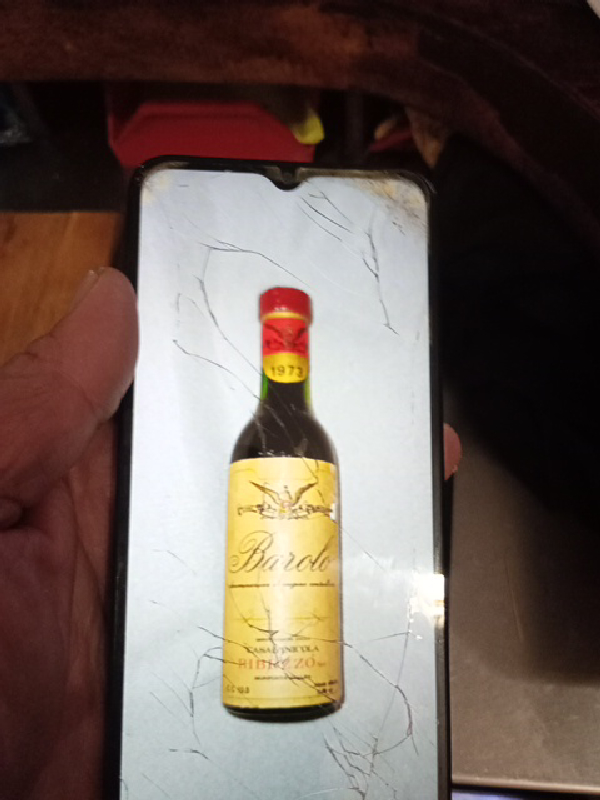
Let me tell you about a wine that embodies the history and elegance of Piedmont, Italy: a Barolo from Casa Vinicola Ribero. While pinpointing the exact vintage from the image is tricky (the year 1973 is visible on the capsule, but the exact vintage for sale needs better label information), let’s talk about why a Barolo, particularly one from a producer like Ribero, is an exceptional choice.
Barolo, often called the "King of Wines," is crafted from the noble Nebbiolo grape. This grape is notoriously finicky, demanding the specific terroir of the Langhe hills in Piedmont to truly express its potential. The resulting wine is one of power, complexity, and remarkable longevity. Ribero, as a Casa Vinicola, likely has a long-standing tradition in the region, understanding the nuances of Nebbiolo and crafting wines that reflect the unique characteristics of their vineyards. They can have different vineyards than other big players. Wines with such tradition usually are a great experience.
What makes Barolo so special? It's the incredible tapestry of aromas and flavors that unfolds with each sip. Expect a symphony of red fruit – think cherries, raspberries, and plums – interwoven with notes of dried rose petals, truffle, licorice, and a distinct earthy minerality. As it ages, Barolo develops even more profound complexity, revealing hints of leather, tobacco, and balsamic. You can be lucky and find a bottle from 1973!
On the palate, Barolo is characterized by its firm tannins and lively acidity, which provides structure and allows the wine to age gracefully for decades. These tannins, while initially assertive, soften with time, creating a velvety texture and a lingering finish that leaves you wanting more.
Why choose a Barolo from Ribero? You are not only selecting a wine, but a piece of Piedmontese heritage. Casa Vinicola Ribero, with its likely dedication to traditional winemaking practices, offers a Barolo that embodies the true spirit of the region. Also, the wine is usually cheaper than from big brands.
Now, let's talk about food pairing. Barolo's intensity and complexity make it a natural partner for rich, savory dishes. Think of it as the perfect accompaniment to a hearty osso buco, a truffle-infused risotto, or a succulent braised beef. The wine's tannins will cut through the richness of the food, while its aromatic profile will complement the dish's flavors. For a simpler pairing, consider aged cheeses like Parmesan or Pecorino. A grilled Portobello mushroom with truffle oil also enhances the taste experience of the Barolo.
To fully appreciate this Barolo, I recommend decanting it at least an hour before serving (if not two for an older vintage). This allows the wine to breathe, softening the tannins and unlocking its full aromatic potential. Serve it in large, tulip-shaped glasses at around 18°C (64°F) to allow its aromas to fully express themselves. This Barolo is not just a drink; it's an experience. It's a journey through the rolling hills of Piedmont, a testament to the artistry of winemaking, and a celebration of the Nebbiolo grape. It's a wine that deserves to be savored, shared, and remembered.