
Wine Scanner AI


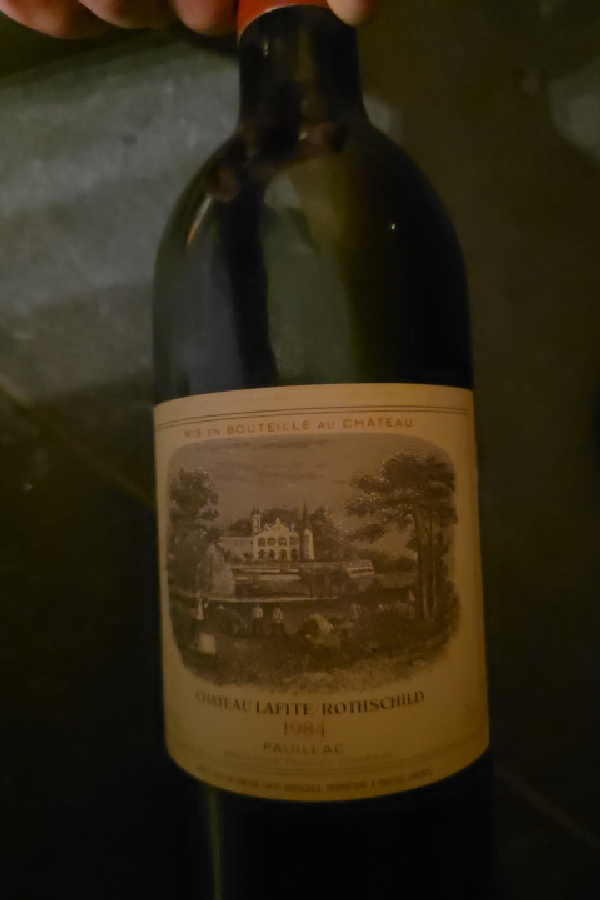
Red wine | Pauillac, Bordeaux, France
See all comments, ratings, and join the community discussion in the Wine Scanner AI app!
Owning a bottle of Château Lafite Rothschild is, for any wine enthusiast, a momentous occasion. This 1984 vintage from the legendary Pauillac estate represents a unique chapter in the history of Bordeaux. 1984 was undeniably a challenging year in the region, characterized by unpredictable weather that tested even the most skilled viticulturists. However, it is precisely the hallmark of a 'First Growth' producer to extract elegance and balance from even the most difficult conditions.
In the glass, this wine exhibits the telltale signs of its age—a beautiful, pale brick-red hue that speaks to its decades of maturation. On the nose, you will find an elegant, mature bouquet featuring classic Pauillac aromas: notes of cedar, pencil shavings, subtle herbaceous undertones, and hints of forest floor. On the palate, it is lean and refined, lacking the sheer power of the 'legendary' vintages, but making up for it with a nuanced, harmonious character that only a wine of this pedigree can maintain after forty years. The tannins have softened significantly, though they still provide a gentle structural backbone, leading to a dry, classic finish.
Why should you experience this wine? Because it is a testament to the enduring craft of one of the world's most prestigious estates. While it may not possess the fruit intensity of a warmer vintage, it offers a fascinating, savory experience for those who appreciate the secondary and tertiary characteristics that define mature fine wine. It is a piece of Bordeaux history that rewards the patient taster.
When serving this bottle, treat it with the respect due to its age. We recommend standing the bottle upright for a day to allow any sediment to settle, and then decanting it carefully about an hour before serving. This allows the wine to breathe gently without overwhelming its delicate, mature structure. Set your serving temperature to a cool room temperature, around 18°C, to ensure the complex aromatics are fully expressed.
For food pairing, look for dishes that complement its savory, earthy elegance. Simple, high-quality preparations are best. A slow-roasted leg of lamb with fresh herbs, a classic beef Wellington, or even a perfectly aged hard cheese like Comté or a mature Manchego will provide a wonderful counterpoint to the wine’s subtle profile. Avoid overly spicy or heavily sauced dishes that might mask its delicate, nuanced flavors. This is not just a drink; it is an experience to be savored slowly, ideally with good company and conversation.