
Wine Scanner AI


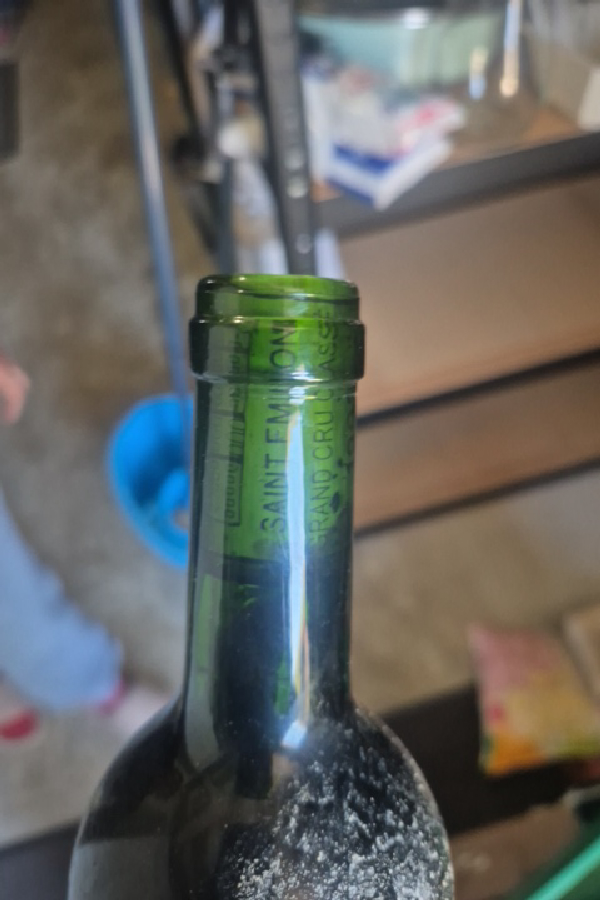
Red wine | Saint-Émilion, Bordeaux, France
See all comments, ratings, and join the community discussion in the Wine Scanner AI app!
The wine you have presented features the prestigious designation 'Saint-Émilion Grand Cru Classé' on its neck label. This classification is one of the most respected in the world of Bordeaux wines, representing a rigorous standard of quality within the historic Saint-Émilion region on the Right Bank of Bordeaux. Wines bearing this title are primarily composed of Merlot, which thrives in the clay-limestone soils of this area, often blended with Cabernet Franc and sometimes a touch of Cabernet Sauvignon to add structure and longevity.
Because we can only see the neck label, we cannot identify the specific estate (château). However, the presence of 'Grand Cru Classé' on the neck seal is a hallmark of a serious, high-quality wine that has undergone extensive care, from the vineyard management—often involving green harvesting and strict selection—to a sophisticated vinification process, typically including aging in oak barrels to develop complexity and polish the tannins.
Saint-Émilion wines are celebrated for their approachable elegance, warmth, and fruit-forward profile compared to their counterparts on the Left Bank. On the nose, you can expect an alluring bouquet of ripe dark fruits like plums and blackcurrants, often accompanied by floral violet notes and the signature Saint-Émilion earthiness or underbrush character. On the palate, these wines offer a velvety texture, balanced acidity, and refined, silky tannins that provide a sophisticated mouthfeel. The finish is typically long, with persistent notes of spice, dark chocolate, or refined minerals.
This style of wine is a quintessential pairing for classic French cuisine. It is magnificent when served with rich, savory dishes. Imagine a perfectly prepared entrecôte (ribeye steak) with a bordelaise sauce, slow-roasted lamb, or even wild game like venison. The wine's structural complexity and earthy undertones also make it a fantastic match for hard, aged cheeses like Comté or a classic Gruyère.
To enjoy this wine at its best, I recommend opening the bottle about an hour before serving to allow it to breathe and fully express its aromatics. Decanting is highly encouraged, especially if the wine has some age on it. Serve it at a cellar temperature of around 18°C. This is not just a bottle of wine; it is an invitation to experience the rich heritage and exceptional terroir of one of France's most cherished viticultural appellations.