
Wine Scanner AI


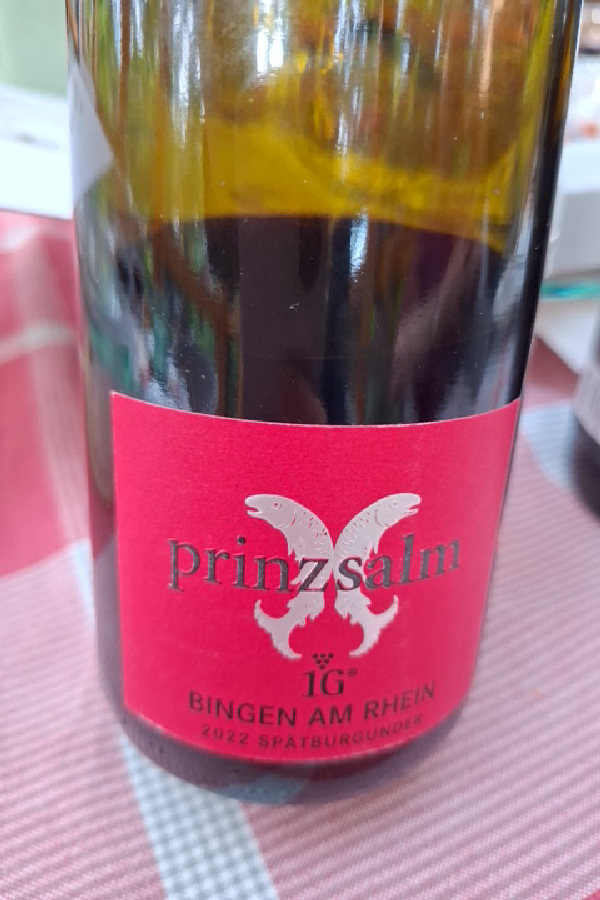
Red wine | Rheinhessen, Germany
See all comments, ratings, and join the community discussion in the Wine Scanner AI app!
Experience the heritage of Germany’s oldest family-owned winery with this exceptional Bingen Spätburgunder from Weingut Prinz Salm. Rooted in over 800 years of winemaking tradition—now managed by the 32nd generation—this wine is a testament to the family's dedication to quality and sustainability. Produced in the Bingen region of Rheinhessen, this Pinot Noir thrives in the area's unique slate-rich soils, which impart a distinctive mineral complexity and elegant structure to the fruit.
The 2022 vintage offers a sophisticated profile that balances tradition with a modern, approachable style. On the nose, you will discover the classic hallmarks of a well-crafted Spätburgunder: deep dark cherry notes layered with subtle hints of smoke, dried herbs, and a touch of fine tobacco. On the palate, the wine is beautifully poised, featuring a juicy texture and refined tannins that provide excellent structure without being overpowering. It is a dry, harmonious red that manages to be both serious and incredibly drinkable.
Why choose this wine? It is more than just a bottle of wine; it is a piece of living history. Weingut Prinz Salm has been a pioneer in organic viticulture since 1988, ensuring that each bottle reflects the true character of its terroir. This dedication results in a clean, pure, and authentic wine that resonates with those who appreciate depth, subtlety, and a genuine connection to the land.
This Bingen Spätburgunder is an incredibly versatile companion for your dinner table. Its elegant acidity and red fruit profile make it a perfect match for classic German cuisine, such as roast duck or venison. It also shines when paired with earthy mushroom dishes, grilled salmon, or a simple yet high-quality charcuterie board featuring aged cheeses and cured meats. Whether you are hosting a refined dinner party or enjoying a cozy evening, this wine brings a touch of royal elegance to any occasion. We recommend giving it about 30 minutes to breathe before serving at a cellar temperature of around 16°C to allow its complex aromatics to fully unfold.