
Wine Scanner AI


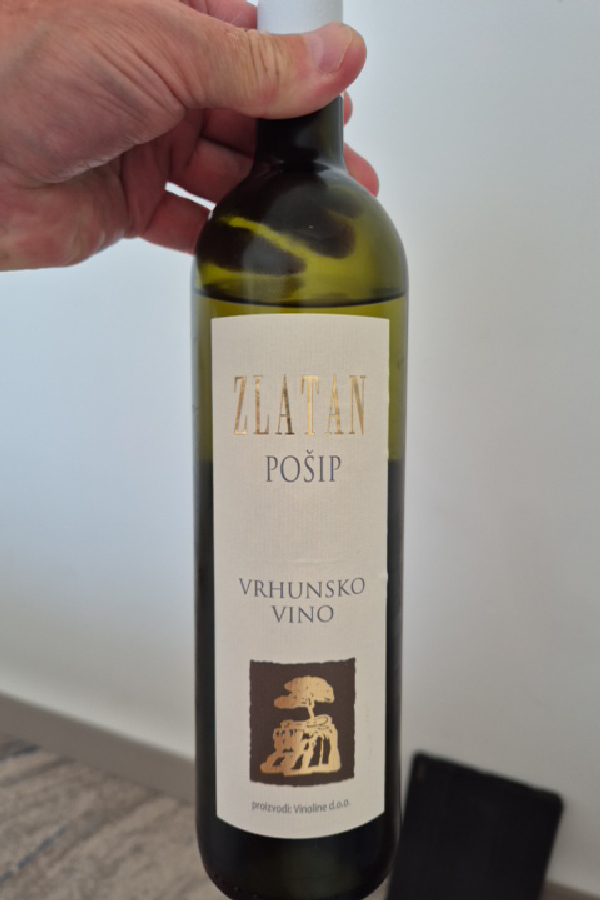
White wine | Dalmatia, Croatia
See all comments, ratings, and join the community discussion in the Wine Scanner AI app!
Discover the essence of Dalmatia with the Zlatan Pošip Vrhunsko Vino, an iconic expression of Croatia’s most celebrated indigenous white grape. Produced by the legendary Zlatan Otok winery—founded by the visionary Zlatan Plenković in the picturesque village of Sveta Nedjelja on the island of Hvar—this wine is a true testament to the rugged beauty of the Adriatic coast. The grapes for this wine are meticulously cultivated on the steep, sun-drenched slopes of the Biokovo mountain near Makarska. This exceptional terroir, characterized by limestone soil and a Mediterranean climate, imparts a unique depth and character to the wine that sets it apart from other Pošips. In the glass, it radiates a brilliant straw-golden hue. On the nose, it offers a sophisticated bouquet of dried apricots, figs, and a touch of honey, complemented by refreshing citrus notes and a subtle, enticing minerality. On the palate, this wine is robust yet remarkably elegant. It strikes a perfect balance between its full-bodied, slightly viscous texture and a vibrant acidity that ensures freshness. With its complex layers of tropical fruit and a distinctive waxy finish, it is a versatile partner for a variety of culinary experiences. This wine is a match made in heaven for classic Dalmatian cuisine. Serve it chilled (10–12°C) alongside fresh seafood, such as grilled white fish, lobster, or traditional scampi in a 'brudet' sauce. It also pairs beautifully with lighter poultry dishes, hard aged cheeses, or even a classic plate of Dalmatian pršut (prosciutto). Whether you are an experienced oenophile looking to explore the hidden gems of the Mediterranean or someone simply looking for an extraordinary white wine to elevate your next dinner party, the Zlatan Pošip is an exemplary choice that brings the spirit of the Croatian coast directly to your table. Its longevity and structure also give it an impressive aging potential, making it a reliable and rewarding addition to any cellar.
bought near hotel meridian lav near split 2026